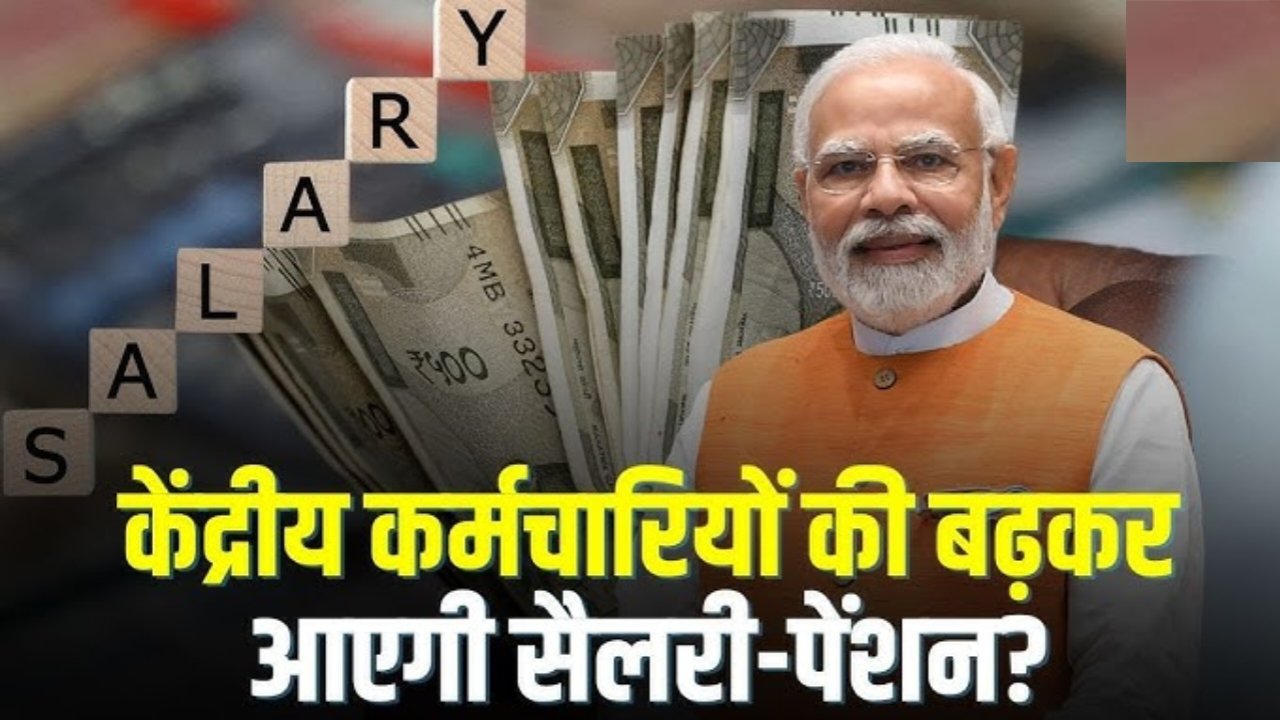
The discussion around the 8th Pay Commission has once again gained momentum across India, especially among central government employees and pensioners who are eagerly waiting for clarity on future salary revisions. With nearly a decade passing since the implementation of the 7th Pay Commission, expectations are naturally rising that the government may soon begin the process for the next pay revision cycle. For millions of families dependent on government salaries and pensions, this is more than just policy news — it directly affects financial planning, savings, and long-term security.
Over the years, pay commissions have played a major role in improving the financial stability of government employees. Every revision not only increases basic salaries but also reshapes allowances, pension structures, and retirement benefits. That is why even early discussions or unofficial reports about the 8th Pay Commission quickly become a topic of national interest among employees, unions, and economic analysts alike.
What Is the 8th Pay Commission and Why Does It Matter?
A Pay Commission is a government-appointed body responsible for reviewing and recommending changes to salary structures, pensions, and benefits of central government employees. These commissions are typically formed every ten years to ensure that compensation keeps pace with inflation, economic growth, and changing living standards.
India has already seen seven pay commissions since independence, each bringing significant revisions to employee earnings. The expected 8th Pay Commission is viewed as the next major financial reset for government workers. Its recommendations could influence not only salaries but also housing allowances, travel benefits, medical coverage, and retirement payouts, making it one of the most anticipated policy developments in the public sector.
Expected Salary Hike Under the 8th Pay Commission
One of the biggest questions employees are asking is how much their salary could increase. While no official announcement has been made yet, several estimates based on past trends suggest that employees may see a substantial rise in overall pay packages.
Experts believe that the salary hike could range between 20% and 35%, depending largely on the revised fitment factor. If projections turn accurate, the minimum basic salary — currently ₹18,000 under the 7th Pay Commission — could potentially increase to around ₹40,000 or more. Such a revision would significantly improve purchasing power and help employees manage rising living costs more comfortably.
Impact on Pensioners and Retired Employees
The benefits of a new pay commission are not limited to active employees alone. Pensioners also receive major advantages whenever a new salary structure is introduced. Pension calculations are directly linked to basic pay revisions, meaning retirees could experience a noticeable increase in monthly pension amounts.
Additionally, Dearness Relief adjustments are recalculated according to the revised pay scale. In many previous pay commission implementations, pensioners also received arrears after the new structure came into effect retrospectively. This possibility is one of the main reasons retired government staff are closely following updates related to the 8th Pay Commission.
Understanding the Importance of the Fitment Factor
The fitment factor is perhaps the most crucial element in determining salary revisions. It acts as a multiplier used to convert existing basic pay into the new pay structure. Even a small change in this number can lead to a significant difference in final salary figures.
During the 7th Pay Commission, the fitment factor played a decisive role in boosting employee earnings. This time, employee unions are reportedly demanding a higher multiplier to ensure salaries align with current economic realities. If approved, this single factor could reshape the entire salary framework for government workers.
Possible Implementation Timeline
Traditionally, pay commissions are introduced at roughly ten-year intervals. Since the 7th Pay Commission became effective in January 2016, many analysts believe the next commission could be implemented around January 2026.
However, the process involves several stages, including committee formation, data collection, recommendation drafting, and final government approval. As a result, even if implementation begins in 2026, employees may receive revised salaries later along with arrears covering the earlier period.
Key Demands Raised by Employee Associations
Government employee unions have already started presenting their expectations for the upcoming pay revision. Their demands mainly focus on improving financial security and adjusting salaries according to rising inflation and living expenses.
Some commonly discussed demands include increasing minimum pay levels, merging Dearness Allowance with basic salary, revising pension formulas, and restructuring allowances. These suggestions are expected to play an important role whenever formal discussions about the 8th Pay Commission begin.
Government’s Current Stand on the 8th Pay Commission
As of now, the government has not officially confirmed the formation of the 8th Pay Commission. However, policy discussions and financial assessments are believed to be ongoing at administrative levels. Authorities generally evaluate economic conditions, fiscal capacity, and workforce requirements before making such major decisions.
The absence of an official announcement does not necessarily mean the proposal is off the table. Historically, pay commissions are announced closer to the expected implementation timeline, which keeps hopes alive among employees.
What Employees Can Expect Going Forward
Looking at historical patterns, salary revisions under pay commissions have consistently aimed to balance employee welfare with economic sustainability. With inflation and living costs steadily increasing, there is growing expectation that the government will eventually introduce a revised compensation framework.
If implemented, the 8th Pay Commission could improve disposable income, strengthen retirement benefits, and provide long-term financial stability to millions of families connected to government service. Until official confirmation arrives, employees are advised to rely only on verified updates rather than speculation.
Conclusion
The 8th Pay Commission remains one of the most anticipated developments for central government employees and pensioners across India. Although official confirmation is still awaited, expectations of salary and pension improvements continue to grow. If introduced, the new commission could mark a significant shift in public sector compensation, helping employees cope with modern economic challenges while ensuring financial security for retirees.